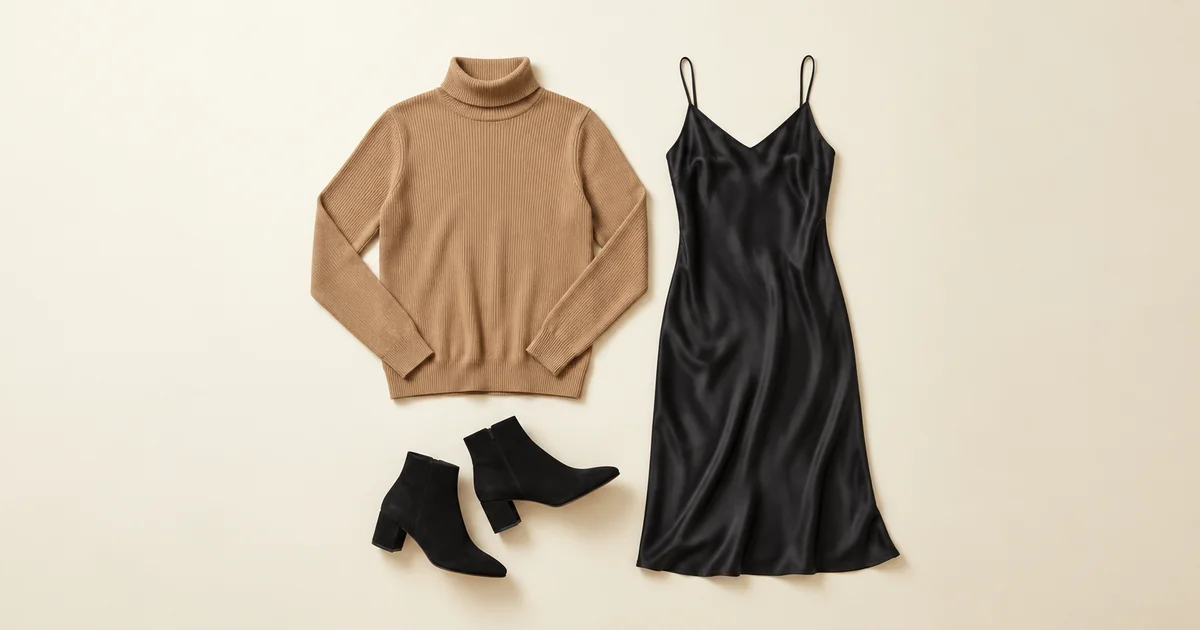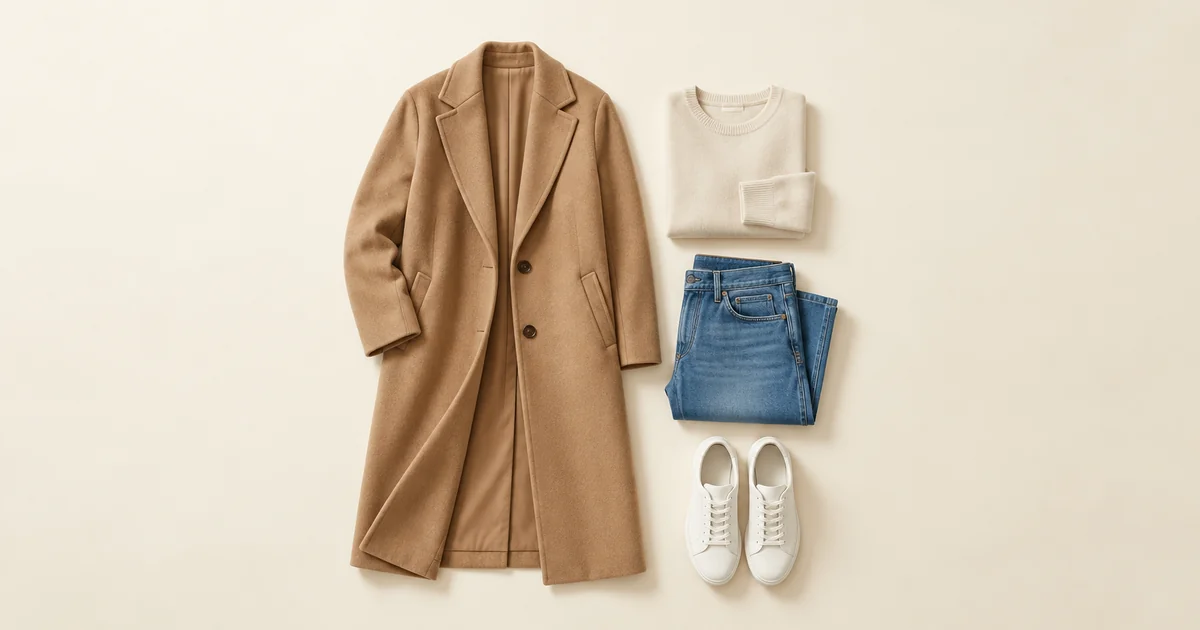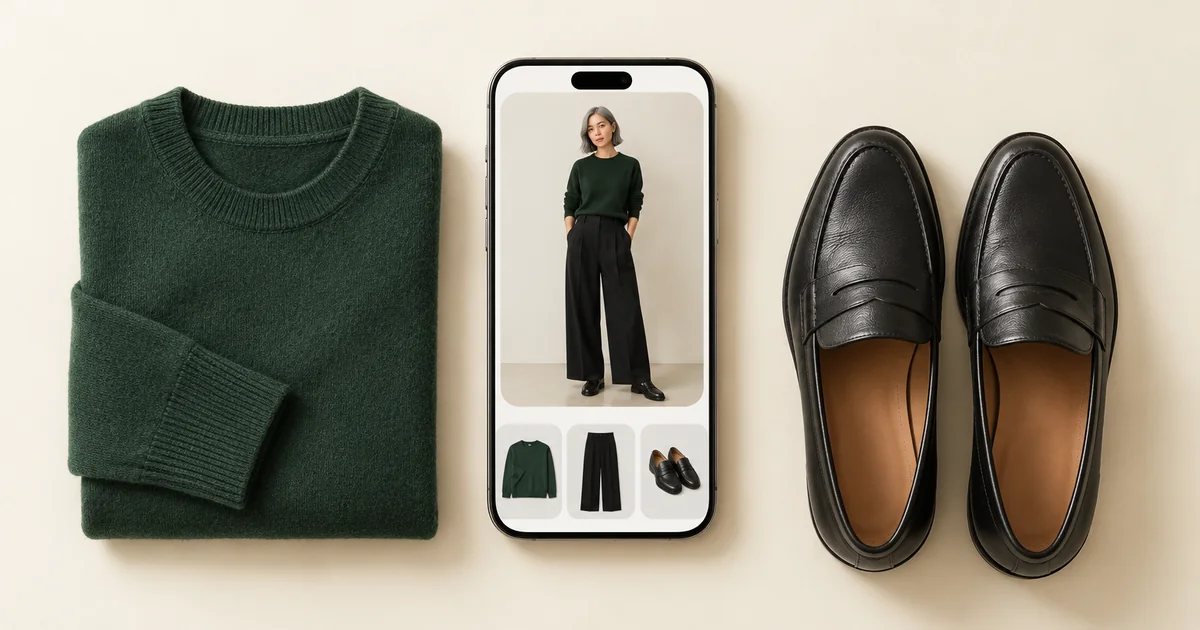

The move from exposed sheer clothing to opaque, lingerie-inspired layering is easier to wear in real life. Instead of making transparency the main event, use slip shapes, satin textures, lace edges, and camisole necklines under pieces that provide coverage. The result can feel soft and intentional without looking like sleepwear.
Camisole necklines run from straight across to a deep V, and which one works depends on your shape. Our iPhone and Android app, Wdrobe, can read your body shape from a full-body photo and suggest necklines.
Start with one lingerie reference
Choose one detail: a satin camisole, slip dress, lace-trim top, corset-style seaming, or fluid bias-cut skirt. Then pair it with an ordinary wardrobe piece such as a blazer, knit, button-down shirt, or tailored trouser.
Using several lingerie references at once can turn the outfit into a costume. One soft piece against one structured piece creates a clearer contrast.
5 wearable layering formulas
1. Slip dress over a fitted top
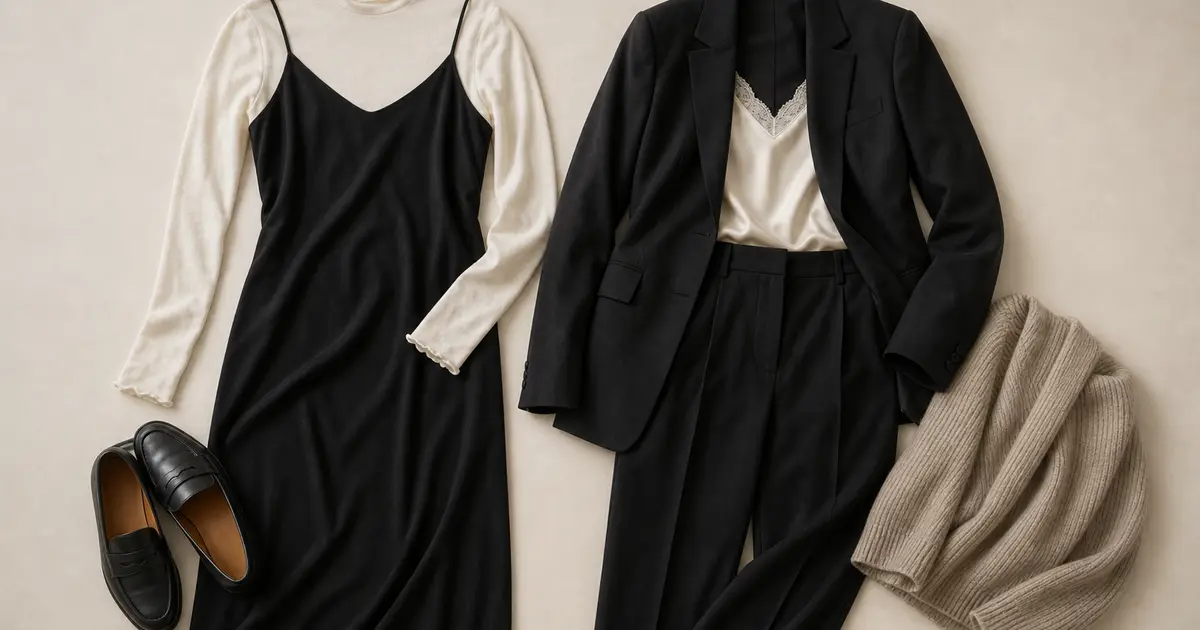
Wear an opaque slip dress over a fine long-sleeve tee or fitted knit. A cream base under black, chocolate, or navy feels polished and provides more coverage through the neckline and armholes.
2. Satin camisole under tailoring
Pair a satin camisole with a structured blazer and high-rise trousers. Keep the blazer on for work or dinner, and check that the camisole straps and neckline stay secure when you move.
3. Lace edge under a crewneck knit
Let a small lace edge show at the neckline of a plain knit. This is the most subtle version of the trend and works with jeans, trousers, or a simple skirt.
This look depends on coverage you can check before you leave. Fabric behaves differently in daylight than in a bedroom mirror. Check the coverage before you leave.
4. Bias skirt with an oversized shirt
A satin or bias-cut midi skirt becomes more relaxed with a cotton button-down. Wear the shirt partly tucked and add a substantial loafer or ankle boot so the outfit does not feel overly delicate.
5. Corset seaming under a cardigan
Choose an opaque top with corset-inspired seams rather than literal boning or lingerie cups. Add a soft cardigan and wide-leg trousers to reduce the formality.
Keep the outfit practical
Natural and artificial light can change how opaque a fabric appears. Check the outfit near a window and under a bright indoor light. Bend, sit, and raise your arms to test the neckline, straps, and hem. A smooth base layer or slip can prevent cling without changing the idea.
Color helps separate “inspired by lingerie” from sleepwear. Black, navy, burgundy, cream, and chocolate are easy to integrate with tailoring. If the fabric is shiny, use matte shoes and outerwear for balance.
Compare the layers before wearing them
Wdrobe can help you test whether the soft and structured pieces look balanced together, especially when you are deciding between jackets, shoes, or proportions. A visualization cannot prove opacity, fit, or fabric behavior, so make the final check in the real outfit.
Continue with a related guide
If the slip is the piece you keep reaching for, five formulas for wearing one will take this further.
Want outfits like these from clothes you already own? Wdrobe's AI stylist builds them from your wardrobe and shows each one on your photo.
Frequently asked questions
How do you wear lingerie-inspired pieces without looking underdressed?
Choose opaque fabrics, add a structured layer such as a blazer or knit, and keep the rest of the outfit covered. One delicate piece against otherwise ordinary clothing reads as deliberate.
Can you wear a slip dress to the office?
Over a fitted knit or shirt, with a blazer and closed shoes, in an opaque fabric, yes in many workplaces. On its own in a light satin, generally not.
What makes lingerie-inspired dressing look intentional?
Contrast in weight. A delicate camisole works with heavy denim, thick knitwear or a tailored coat, because the pairing makes the choice look like styling rather than an oversight.
Layering is what makes this wearable rather than theatrical. The same technique rescues clothes already sitting in your drawers: see which ones.
Layering like this depends on the exact opacity and length of the pieces you own, which is why generic advice only goes so far. See your own layers combined and judge the result before wearing it out.