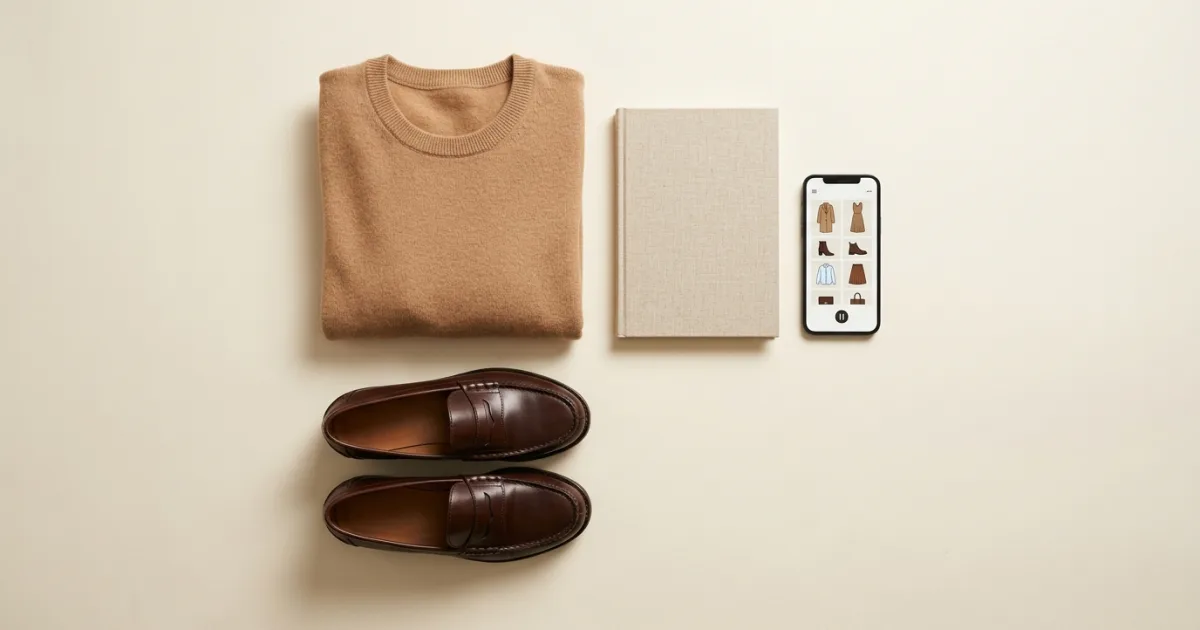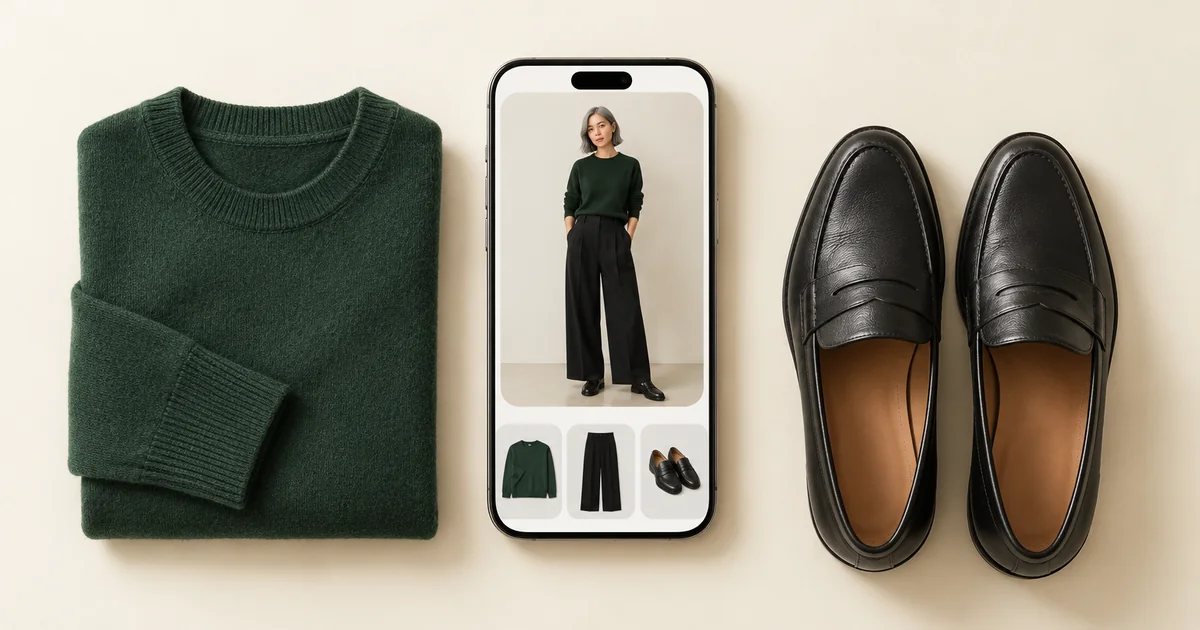

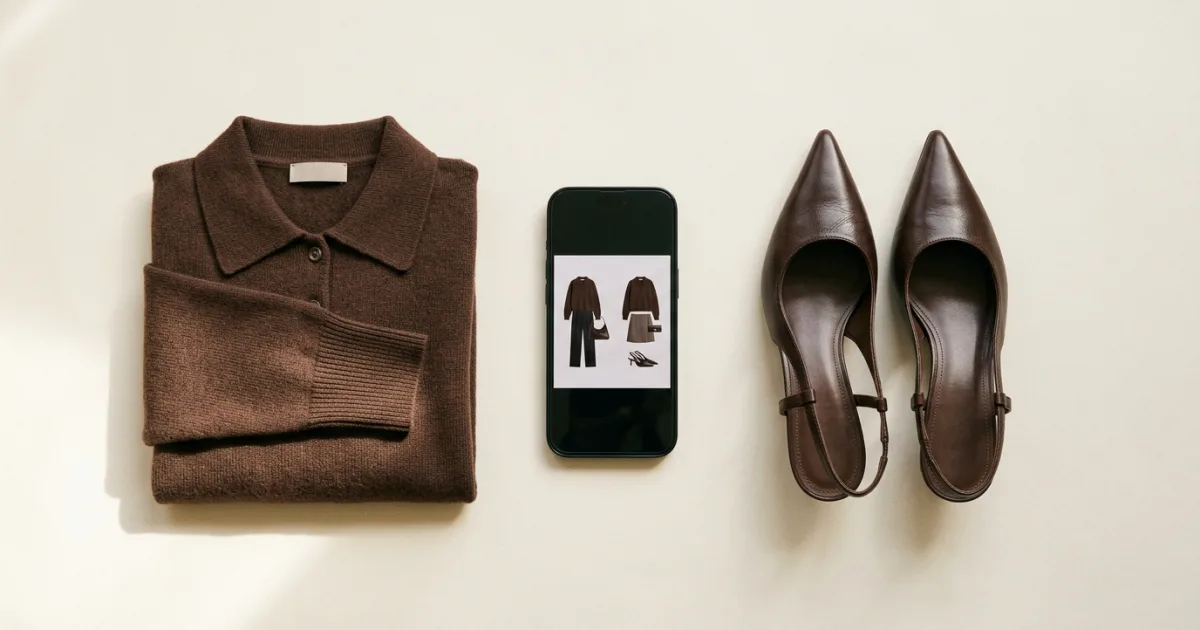
Comparing two garments properly means scoring both against the same written need and against the clothes you already own.
Scores on paper still leave out how each option looks on you, which is often the tiebreaker. Our app, Wdrobe, lets you test both options on one picture of yourself.
What a useful comparison answers
This guide is for the point where you have narrowed it down to two: two coats, two pairs of trousers, two versions of the same jumper. If you are not sure you should buy anything yet, how to stop impulse clothes shopping covers the pause before that. If there is only one piece on the table, how to avoid buying clothes you never wear is the checklist for whether it fits your wardrobe.
Compare for one specific need rather than ranking two garments in the abstract. A method that settles one decision will settle the next.
Five checks before you decide
1. Write the need down
Write it down first, or the comparison turns into a preference contest between two things you like. Something like: a warm top for the office and for weekends, in a colour that works with shoes I own.
2. Count the outfits each one completes
Count the outfits each one completes from clothes you already own, not from the photographs on the product page. Four outfits makes it a real purchase; one outfit makes it a costume you wear twice.
The comparison that matters is against what you already own, not against the other thing in the basket. Put it next to your own clothes.


3. Add the care and the extras
Dry cleaning, a hem, a return posted back and the shoes it will need all belong in the comparison. A coat that needs dry cleaning four times a year is a bigger commitment than one that goes in the wash.
4. Sit, reach and layer
Sit, reach, walk and put a layer over it, because that is where most garments fail. Pockets you cannot use and sleeves that ride up under a coat are the two most common late discoveries.
5. Know when to buy neither
If both only work for a life you do not currently live, the answer is neither. The routine you intend to start is not evidence, and the wardrobe carries the cost of assuming it.
A worked example: two knits for the same job
The need: a warm top for the office and for weekends, to wear with what is already owned. That is grey wool trousers, black wide-leg trousers, dark jeans, a camel midi skirt and a navy blazer, with black loafers, brown ankle boots and white trainers.
The two candidates are a chocolate brown fine-knit polo in merino and a cream chunky cable-knit jumper.
- The polo: grey trousers and black loafers; the camel skirt and brown boots; dark jeans and brown boots. Three outfits, the first two right for the office, and it fits under the navy blazer for meetings.
- The cable knit: dark jeans and white trainers; black wide-leg trousers and loafers; the camel skirt and brown boots. Three outfits as well, but only the trousers one works for the office, and it is too bulky to go under the blazer.
- Care: the merino polo goes in the washing machine on a wool cycle. The cable knit is hand wash only.
The polo wins. Both complete three outfits, so the count alone does not settle it; the written need does. The cable knit is the nicer jumper, but it answers a different need, weekend warmth, which was not the one written down. If that need is real, it goes on a wardrobe wishlist as its own line rather than sneaking into this purchase.
Did the decision hold?
Come back after a few wears. A piece worn three times with three different things was the right call; one still on the hanger was not.
If neither option wins, record the function you were trying to buy. Something that works with the navy trousers and survives rain is actionable; a nicer coat is not.
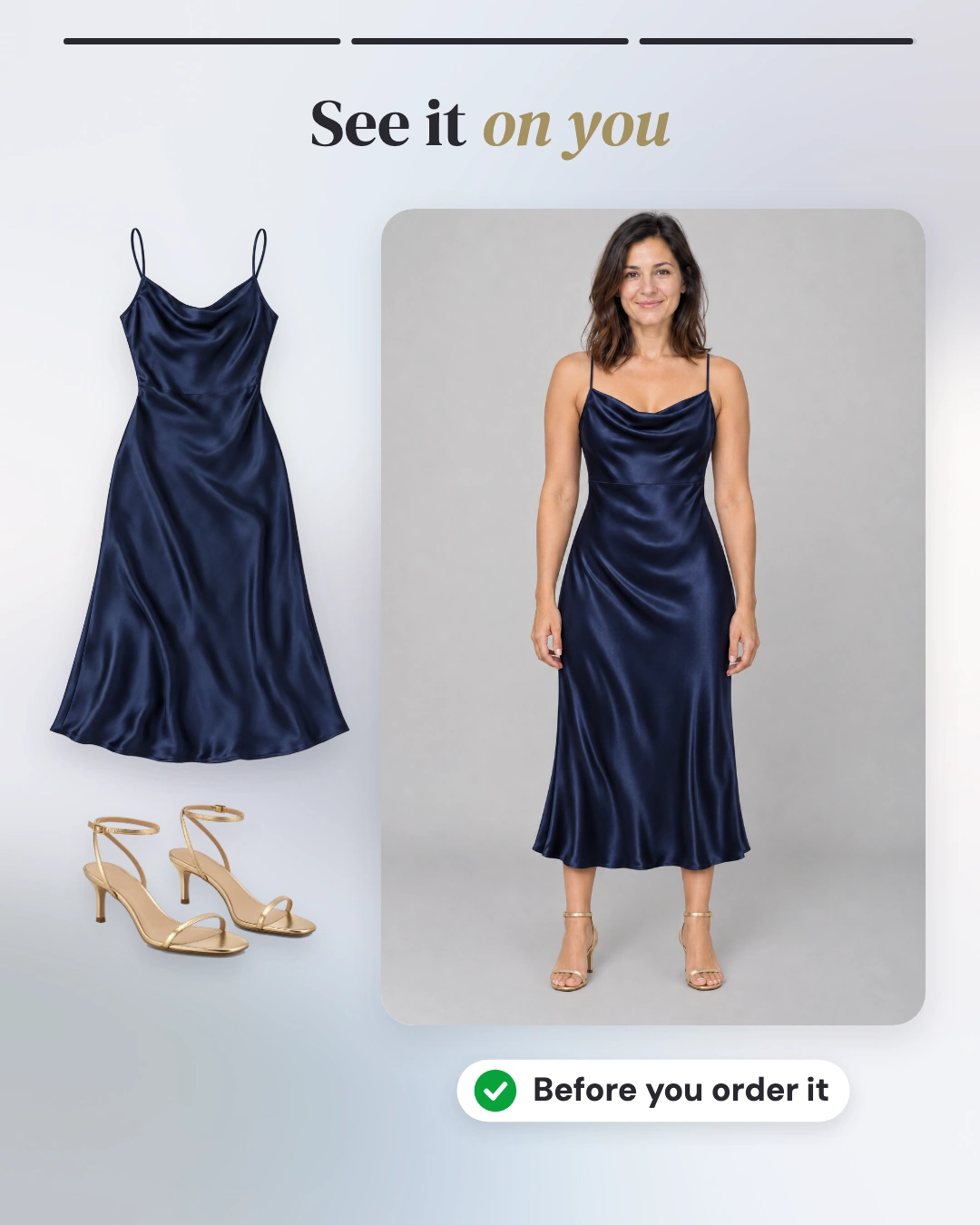
Not sure how a piece will look on you? Wdrobe's virtual try-on shows it on your own photo, next to clothes you already own.
Frequently asked questions
How do you compare two similar clothing items?
Compare fabric composition, construction and how many outfits each completes from your existing wardrobe. Price is the last comparison, not the first.
What matters more, fabric or brand?
Fabric, by a wide margin. Composition and weight determine how a garment wears, drapes and lasts; brand mostly determines price and how quickly the style dates.
How do you choose between two things you like equally?
Pick the one that works with more of what you own. A piece that completes four outfits is worth more than a slightly nicer piece that completes one.
Seeing both options on a photo of yourself settles questions a product page cannot; our comparison of virtual try-on apps covers the ways to do that.
The comparison is easy to describe and hard to do in a shop, with the other option hanging at home. Hold the new piece against the one you already own before you pay for it.