

Saved outfits only earn their place if they are complete, named for an occasion, and pruned when they stop being worn.
Pruning is easier with a record of what you actually wore. Plan outfits onto days in the Wdrobe app, made by us, and you get a times-worn count for each piece.
What saved outfits are for
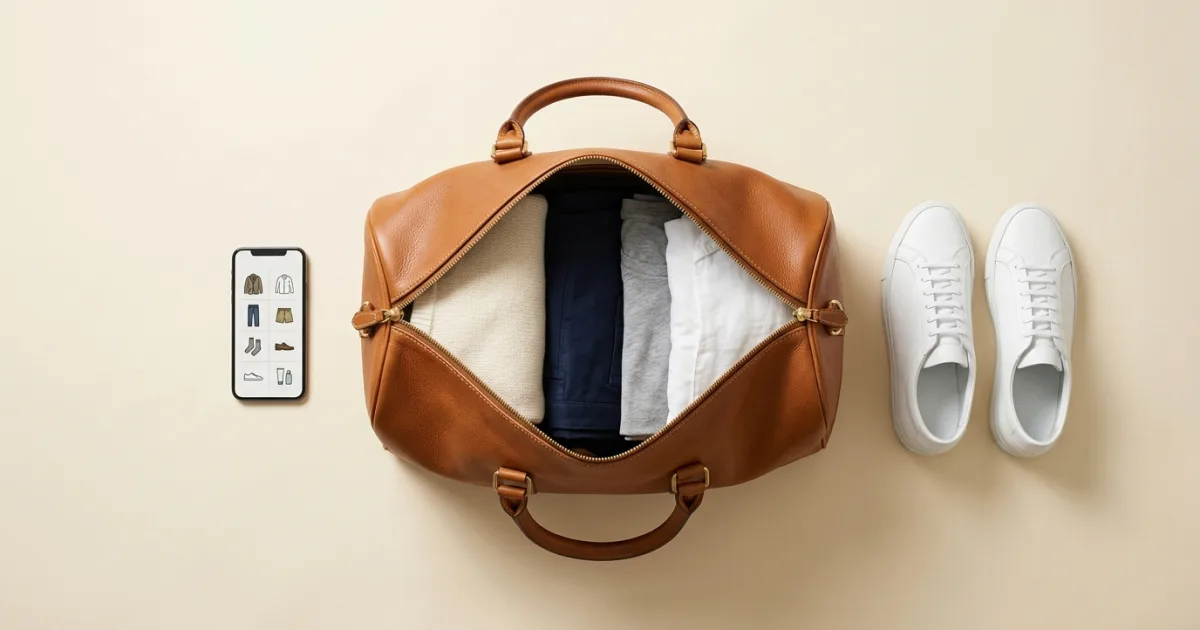
Decide what the saved set is meant to solve: slow mornings, repeated outfits, or packing. A collection nobody consults is just a photo album.
Start with the occasions you dress for most. If the saved outfits work for a normal week, they will work for an unusual one.
Five rules that keep them useful
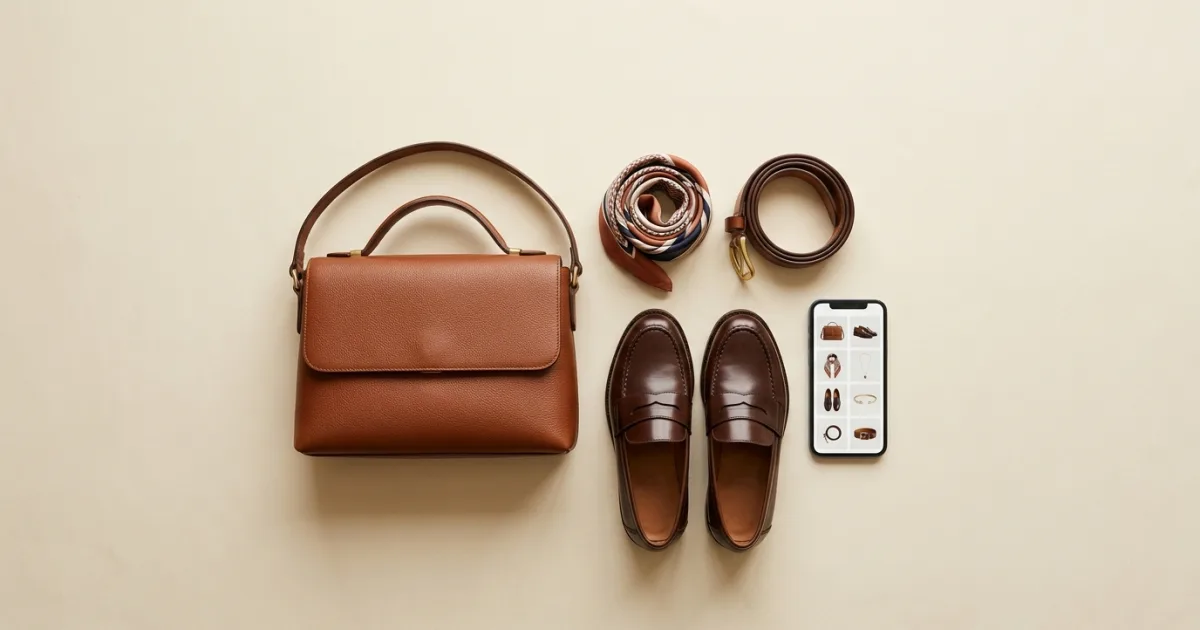
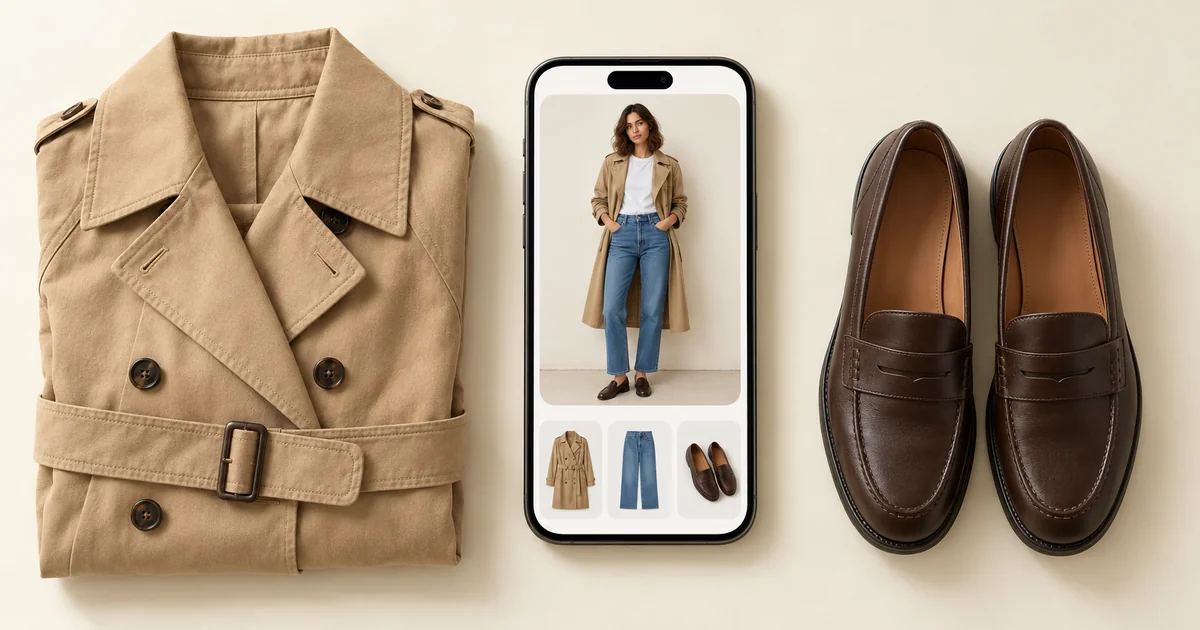
1. Save complete combinations with shoes, outerwear, and the relevant bag
An outfit saved without the shoes and the bag is a decision you will have to make again at the door. A saved look missing its shoes gets rebuilt from scratch every time, which defeats the point.
2. Name outfits by occasion or weather instead of abstract aesthetic labels
Rain and a meeting retrieves better than minimal chic when you are already late. Name them for the situation you were dressing for, because that is how you will search later.
A saved outfit is only useful if you can find it in the thirty seconds you have. A short reliable list beats a long archive. Keep the short list visible.
3. Keep a small reliable group separate from experimental possibilities
Keep the ones you trust apart from the ones you are still testing, or you will scroll past the reliable ones. Six or seven you trust is more useful than forty you have to assess each morning.
4. Update saved looks after real wears when comfort or proportion changes
After wearing a saved look, change it if the proportion was off, so the saved version matches what actually worked. If the trousers needed rolling or the sleeve kept slipping, change the saved version to match.
5. Reuse the same base while saving controlled seasonal variations
Keep the base and swap one piece for the season rather than building a parallel set. The same base with a lighter shoe and no jacket is the summer version, not a separate outfit.
Prune it monthly
Once a month, look at which saved outfits you actually wore. Keep those, and delete the ones that survived only because they looked good on screen.
When an outfit is nearly right but missing something, note the role rather than the item: a mid-weight layer in a neutral, not a specific jacket you saw somewhere.
Planning ahead? Wdrobe's outfit planner puts a week of outfits from your own clothes on a calendar and checks them against the forecast.
Frequently asked questions
How do you actually use saved outfits?
Save them by occasion rather than by season, so you are choosing from a shortlist when you need one. Outfits saved without a label become an album you never open.
How many saved outfits do you need?
Around three per regular situation: work, casual, going out. Enough to avoid repetition, few enough to choose from quickly on a bad morning.
Why do saved outfits go unused?
Because they were saved as inspiration rather than as decisions. An outfit you can wear tomorrow with clothes that are clean and available is useful; an aspirational one is not.
A saved outfit only helps if you can find it on the morning you need it. Make the saved outfits usable at speed and keep the combinations that worked where you will actually look.