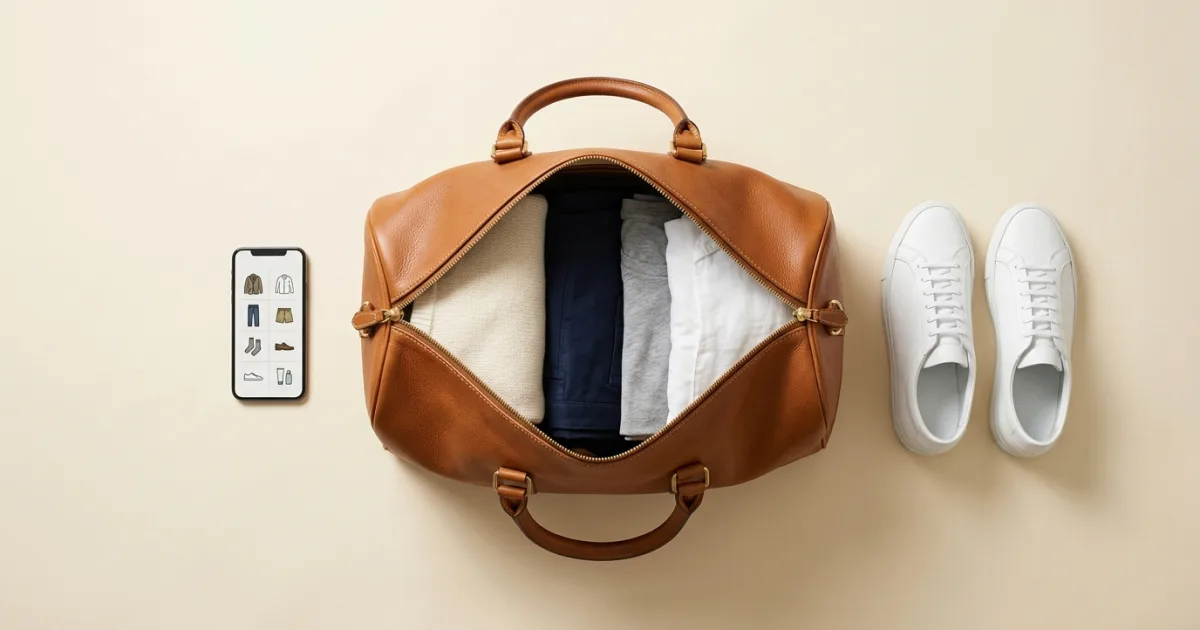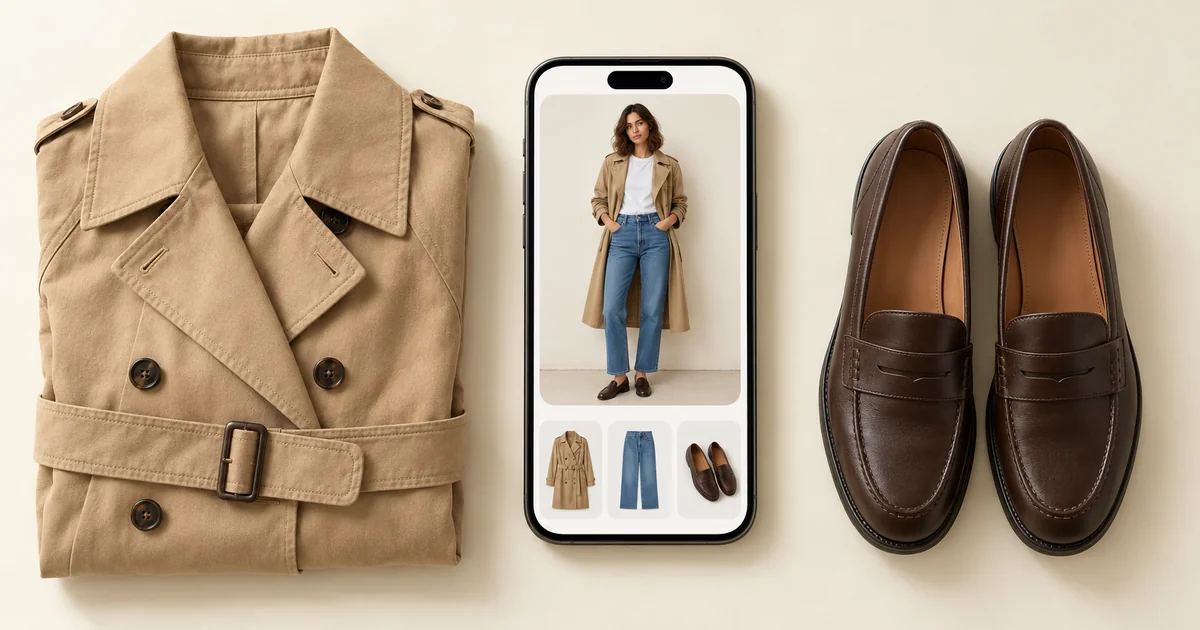

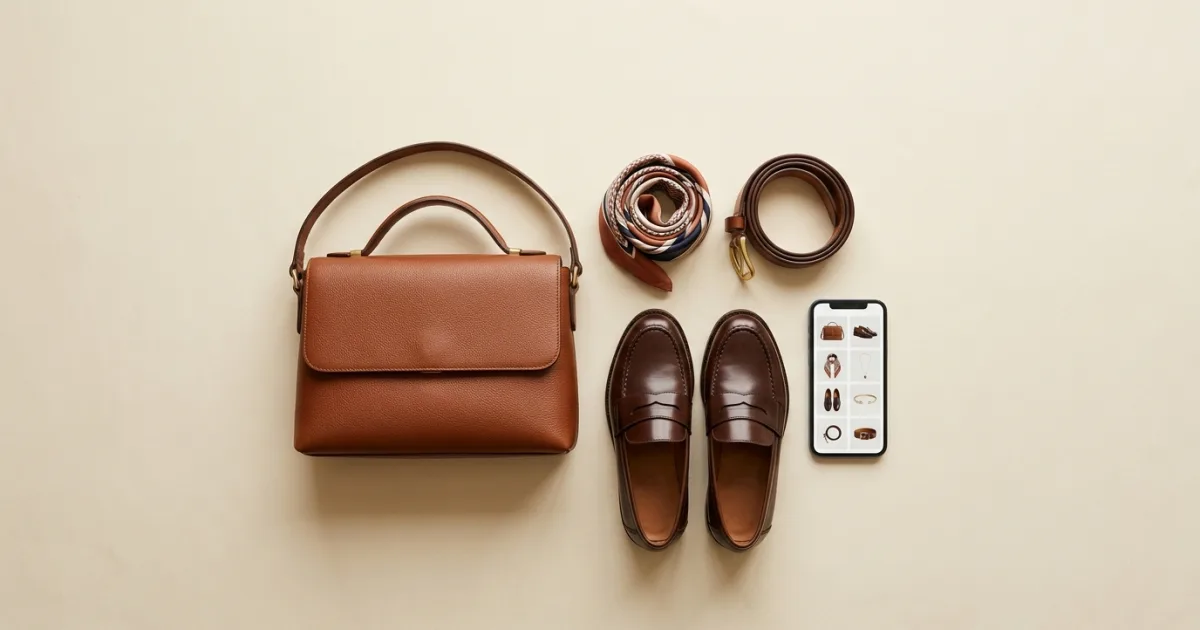
To catalog wardrobe accessories, start with the pieces that change outfits most, shoes, bags and belts, then photograph each one the same way, tag it by the job it does, and attach it to two or three outfits you already wear. Scarves and jewellery come last, and only the ones you actually rotate.
After the shoes, bags and belts are photographed, the catalog works best one category at a time. The Wdrobe app, which we make, tags each photo you add, so you can filter down to just your shoes.
Why accessories need their own pass
Clothes get catalogued because they are big and obvious. Accessories get skipped because they live in drawers, boxes and the bottom of the wardrobe, and that is exactly why they get forgotten when you dress. A tan belt you cannot picture does not get worn with the navy trousers it suits, and a second pair of black ankle boots gets bought because the first pair is behind a box.
The aim is not a complete record of everything you own. It is a short, visible list of the accessories that change what an outfit says.
A five-step method
1. Shoes, bags and belts first
These three change an outfit's formality and shape more than anything else, and most people own fewer than twenty of them in total. Pull them all out onto the bed. Anything broken, unworn for two years, or a near-copy of something better goes in a separate pile before you photograph a thing.
2. Photograph them the same way every time
Use the same spot, a plain light floor or a sheet, and daylight from a window. Shoot shoes from the side, bags from the front with the strap visible, and belts coiled so the buckle shows. A consistent photo makes a brown belt and a tan belt easy to tell apart on a screen, which is the whole point. How to photograph your wardrobe covers light and backgrounds in more detail.
Accessories are the first thing left out of a catalogue and the thing most often forgotten while dressing. A belt you cannot picture does not get worn. Get the accessories in too.
3. Tag by job, not by look
Tags such as "work", "evening", "rain" or "walking" tell you when to reach for something. Tags such as "boho" or "minimal" rarely help on a Tuesday morning. Two or three tags per item is enough, and if you cannot remember what a tag means a week later, delete it.
4. Attach each accessory to outfits
Add the shoes, bag or belt to two or three outfits you already wear. This is the step that makes the catalog useful, because it answers the question you actually have when getting dressed: which bag goes with this. An accessory that fits no outfit is either missing a partner or no longer worth keeping.
5. Jewellery last, and only what you rotate
Catalogue the pieces you change, such as statement earrings, a few necklaces and a watch you swap. Skip what you wear every day without thinking, such as a wedding ring or small studs. Scarves and hats go in here too, but only the ones you wear.
A worked example: one evening, twenty pieces
A typical first pass looks like this: six pairs of shoes, five bags, four belts, three scarves and two pairs of statement earrings. Photographing them takes about twenty minutes. Tagging takes ten. Attaching them to outfits takes another twenty, and that is where the surprises come: the burgundy loafers turn out to work with four outfits instead of the one they were bought for, and two of the five bags go with nothing you wear now.
That is the result to aim for: a list of what works with what, and a short list of gaps described by function, such as a belt for high-waisted trousers or a bag that holds a laptop and still works for dinner. Small pieces like these change plain outfits a lot, as how to accessorize basic outfits shows.
Keep it current
Add a new accessory the day it arrives, and take one out when it leaves. Once a season, open the catalog and look at what never got attached to an outfit. That is the honest list of what to donate or sell. If the clothes are not catalogued yet either, the closet inventory guide does the same job for the rest of the wardrobe, and in a small flat, the small closet organising guide helps the accessories find a home you can see.
If you want to see everything you own in one place, Wdrobe's digital wardrobe builds it from photos of your clothes.
Frequently asked questions
Should you catalog accessories too?
Yes, and they are quicker than clothing because most are small and photograph flat. Accessories are also the pieces most often forgotten, which is exactly why cataloguing them changes outfits.
How do you organise accessories?
Group by type first, then by colour. Bags, belts, jewellery and scarves get chosen at different moments, so mixing them in one list slows every decision down.
Which accessories are worth cataloguing first?
The ones that change an outfit's formality: shoes, belts and a few bags. Fine jewellery you wear daily does not need a record.
The same belt gets bought twice because the first one was never seen next to the clothes it goes with. Put your bags, belts and shoes on screen beside the outfits they finish, and the drawer stops being a place things disappear.